How Tactical Training Prepares You for Real‑Life Scenarios
Many firearm owners spend time practicing at the range. They work on accuracy, improve their trigger control, and become comfortable handling their firearm safely. Those skills are important because marksmanship is one of the foundations of responsible firearm ownership.
However, there is a major difference between shooting at a paper target and responding to a real-life threat.
A target on a range does not move unexpectedly. It does not create fear, confusion, or uncertainty. It does not force you to make split-second decisions while your heart rate climbs and adrenaline floods your system.
Real-life encounters are different.
They happen quickly.
They happen unexpectedly.
They often unfold in ways that no one could predict.
That is why tactical firearms training matters.
Tactical training is not about pretending to be military personnel or law enforcement. It is not about looking intimidating or learning how to clear buildings. Tactical training is about developing practical skills that help ordinary people respond more effectively if they ever find themselves facing a serious threat.
The goal is simple.
To prepare responsibly armed citizens for realities that cannot be fully replicated by standing still in a shooting lane.
Owning a firearm may provide the means to defend yourself.
Training provides the ability.
Tactical Training Goes Beyond Basic Shooting Skills
Traditional range training teaches important fundamentals. Safe firearm handling, sight alignment, trigger control, recoil management, and accuracy all play an essential role in becoming a responsible gun owner.
The challenge is that most defensive encounters involve much more than shooting.
A person may need to identify a threat quickly. They may need to move family members to safety. They may need to communicate under pressure, find cover, assess multiple people, or determine whether deadly force is even necessary.
Those are not skills typically developed by shooting at a stationary target.
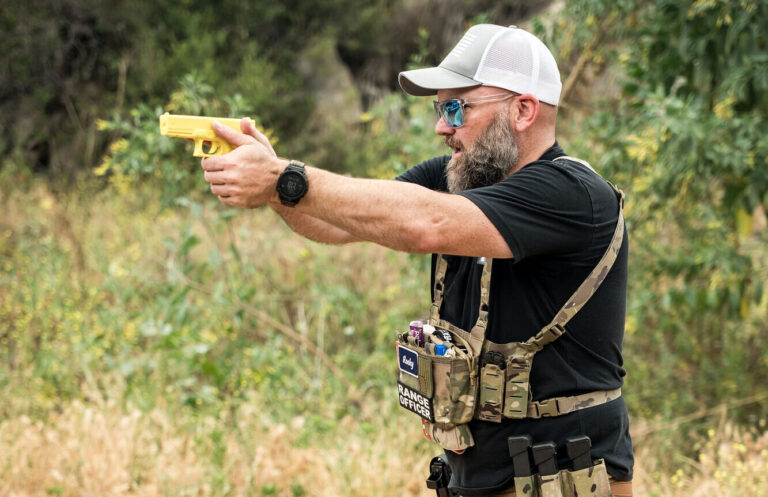
Tactical firearms training introduces students to the realities of problem-solving under stress. Instead of focusing only on hitting a target, students learn how to apply their skills in situations that more closely resemble real life.
This often includes movement drills, situational awareness exercises, threat assessment, defensive positioning, communication, and decision-making.
The purpose is not simply becoming a better shooter.
The purpose is becoming a more capable defender.
Situational Awareness Is Your First Line of Defense
One of the most valuable lessons tactical training teaches has nothing to do with firing a gun.
It is awareness.
Many dangerous situations provide warning signs before they become emergencies. Unfortunately, people often miss those warning signs because they are distracted by phones, conversations, routines, or simple complacency.
Situational awareness teaches people to recognize what is happening around them before a threat develops.
This means paying attention to entrances and exits. It means recognizing unusual behavior. It means understanding who is around you and identifying potential problems before they escalate.
Prepared people are not paranoid.
Prepared people simply pay attention.
The ability to recognize danger early often creates opportunities to avoid conflict entirely. In many cases, awareness allows someone to leave an area, create distance, or avoid a dangerous situation before it becomes a self-defense encounter.
That is why awareness remains one of the most important defensive skills anyone can develop.
Understanding Cover and Concealment
One of the most misunderstood concepts in self-defense is the difference between cover and concealment.
Many people assume they are the same thing.
They are not.
Concealment hides your location. Cover helps protect you from incoming threats.
A vehicle door may conceal you from view, but it may not stop incoming rounds. A concrete wall may provide actual protection. Knowing the difference can be critical during a defensive encounter.
Tactical training teaches students how to identify protective positions and use their environment more effectively. These skills are not about seeking confrontation. They are about increasing survivability if a confrontation becomes unavoidable.
When a dangerous situation develops, knowing where to move can be just as important as knowing how to shoot.
Tactical Training Develops Decision-Making Skills
Many people assume firearms training is primarily about marksmanship.
In reality, decision-making is often more important.
A firearm is a tool. The person using that tool must decide when force is justified, when it is not, and how to respond appropriately to rapidly changing circumstances.
Those decisions carry enormous responsibility.
Tactical training helps students develop the ability to process information, evaluate threats, and make sound judgments under pressure. Students learn that every situation is different and that defensive encounters rarely follow a script.
The goal is not aggression.
The goal is control.
A responsible defender understands that avoiding conflict is always preferable. They understand that de-escalation matters. They understand that the use of force should always be a last resort.
These lessons are every bit as important as learning how to operate a firearm safely.
A Real-World Case Study: Brian’s Story
Brian’s story is a powerful example of why tactical preparedness extends far beyond simply owning a firearm.
What happened to him began when he learned that a family member had been attacked and assaulted the previous night. Concerned for her safety, he went to help. While they were standing in the entryway, the attacker unexpectedly returned.
Brian immediately positioned himself between the attacker and his family member. His goal was not to fight. His goal was to protect her and de-escalate the situation.
The attacker became aggressive and attempted to force his way past Brian. In response, Brian physically stopped him and forced him back. The attacker eventually left the area, and Brian believed the confrontation was over.
It wasn’t.
A short time later, the attacker returned again.
This time he was carrying a metal pipe.
Brian later described seeing the threat approaching and realizing the danger was escalating rapidly. He grabbed his firearm and issued verbal commands, ordering the attacker to stop.
The commands did not work.
The attacker continued advancing.
According to Brian’s account, he feared for his life and the safety of his family. Faced with what he believed was an immediate deadly threat, he fired his firearm.
Most people think that is where a self-defense story ends.
In reality, that is often where a new battle begins.
When law enforcement arrived, Brian was arrested. Despite his version of events and witness statements, he was charged with first-degree murder within hours of the incident.
Imagine the shock.
One moment you believe you acted to save your life and protect your family.
The next moment you are sitting in jail facing charges that could change your future forever.
Then Brian remembered his USCCA membership and had a family member contact the USCCA Critical Response Team. Through that support, he was connected with legal representation that immediately began working on his defense.
The legal fight lasted months.
According to the case details, Brian’s attorney fees eventually reached approximately $68,500. In the end, all charges were dropped and Brian was protected and covered thanks to USCCA insurance.
Brian’s story illustrates something every responsible firearm owner should understand.
Preparedness has multiple layers.
According to the USCCA discussion of the incident, Brian was mentally prepared. He maintained awareness, attempted de-escalation, and understood the seriousness of using force.
He was physically prepared. He had trained with his firearm, practiced defensive skills, and developed the ability to perform under pressure.
He was legally prepared. He understood self-defense principles and had access to legal resources after the incident.
That combination matters because self-defense does not begin when danger appears, and it does not end when the threat stops.
The aftermath can be just as serious as the encounter itself.
Why Mindset Matters More Than Equipment
Many firearm owners spend significant time thinking about gear.
They compare firearms.
They compare holsters.
They compare optics and accessories.
While equipment certainly matters, mindset matters more.
The most important defensive tool a person carries is the ability to think clearly under pressure.
Tactical training develops that mindset by teaching students how to remain calm, make decisions, and stay focused when circumstances become stressful.
A firearm cannot compensate for panic.
A firearm cannot replace awareness.
A firearm cannot make decisions.
Those responsibilities belong to the individual.
That is why serious training focuses on the person rather than the equipment.
Why the Right Training Environment Matters
Not all firearms training environments are the same.
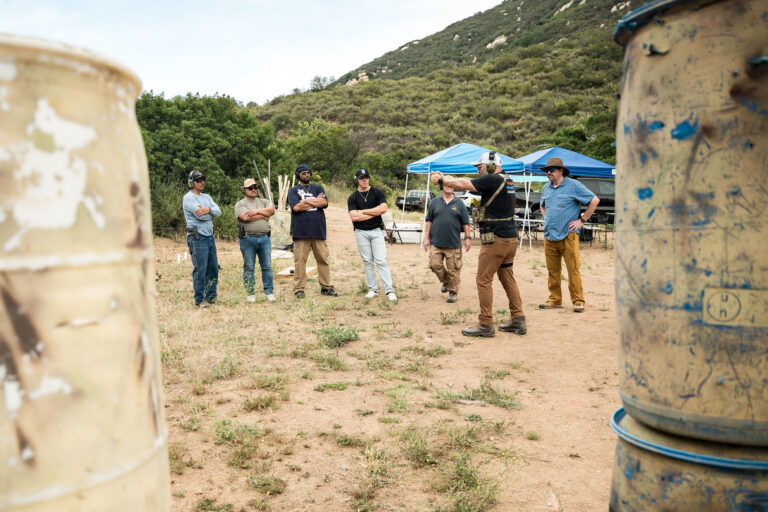
The right environment encourages learning, accountability, and safety. It allows students to build confidence while developing skills correctly from the beginning.
Professional instructors can identify weaknesses, correct mistakes, and provide guidance that students may never discover on their own.
More importantly, professional training introduces students to concepts they may never encounter during casual range sessions.
That includes situational awareness, defensive movement, communication, cover utilization, threat assessment, and decision-making under stress.
These skills are developed through structured training, not guesswork.
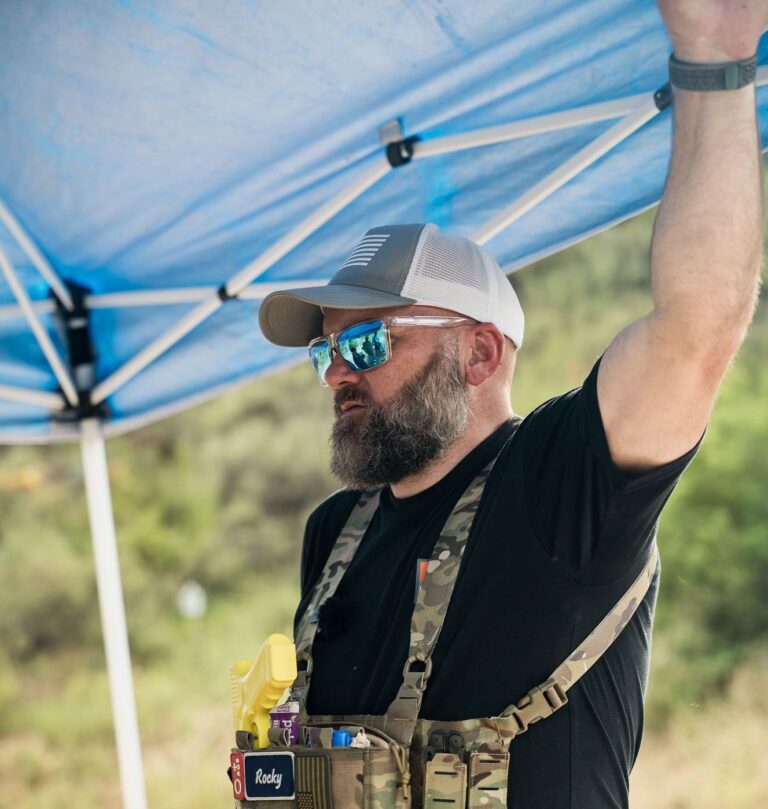
At H2K Defense, the goal is not simply to teach students how to shoot. The goal is to help students become safer, more capable, and more prepared for the realities of responsible firearm ownership.
Preparation Does Not End at the Range
One of the biggest lessons tactical training teaches is that preparedness is an ongoing process.
Owning a firearm is not enough.
Taking a class is not enough.
Preparation requires continued learning, continued practice, and continued development. It also requires understanding that self-defense involves more than the immediate encounter.
As Brian’s story demonstrated, the legal aftermath of a defensive incident can be life-changing. Even when someone believes they acted appropriately, they may still face investigations, arrests, legal expenses, and significant emotional stress.
That is why responsible firearm ownership should include education, training, and access to resources designed to help before, during, and after a defensive encounter.
When you become an H2K Defense member, you are not simply gaining access to firearms training, you are also investing in a complete approach to preparedness that emphasizes safety, education, and responsible self-defense.
Every H2K membership also includes USCCA Elite Level Membership benefits, providing access to self-defense education, liability protection, and resources designed to support responsibly armed citizens through every stage of a defensive encounter.
Because preparedness is bigger than marksmanship.
It is bigger than equipment.
It is bigger than any single class.
It is about developing the mindset and having the support system necessary to protect yourself and the people who matter most.
Final Thoughts
Tactical firearms training is not about becoming aggressive.
It is about becoming prepared.
It teaches awareness, movement, decision-making, defensive skills, and mindset development that can help responsible citizens perform more effectively during high-stress situations. It helps bridge the gap between basic shooting skills and real-world preparedness.
Most importantly, it helps people understand that self-defense is about much more than pulling a trigger.
It is about recognizing danger early.
It is about making good decisions.
It is about avoiding conflict whenever possible.
And if the worst day ever comes, it is about having the knowledge, skills, and support necessary to respond responsibly.
That is the value of tactical training.
Not because you expect danger.
Because you refuse to be unprepared if danger finds you.
Disclaimer:
This content is for general firearm safety and educational purposes only. It is not legal advice, professional instruction, or a substitute for certified training. Firearms are inherently dangerous and improper use may result in injury, death, or property damage. Always seek proper training and ensure compliance with all applicable laws before handling any firearm.