Common Mistakes New Gun Owners Make (and How to Avoid Them)
Buying a gun is easy. Owning it responsibly is where most people get it wrong. The problem isn’t bad intentions. Most new gun owners genuinely want to protect themselves, their families, and do things the right way. But intention doesn’t equal preparation, and with firearms, small mistakes don’t stay small. They escalate fast. You’re dealing with something that can cost you your freedom, your finances, or your life, yet people treat it casually. They skip steps, assume things, and rely on what “feels right” instead of what’s actually correct. That’s where things fall apart.
The Biggest Mistakes New Gun Owners Make
New gun owners tend to make the same mistakes, not because they’re careless, but because no one told them what actually matters. One of the fastest ways to get yourself in serious trouble has nothing to do with how well you shoot. It’s not knowing the law.
Legal Mistakes Are the Most Dangerous and Overlooked
Gun laws aren’t universal, and they change from state to state, sometimes drastically. What’s completely legal where you live could land you in jail the moment you cross a state line. Traveling with a firearm, carrying without understanding permit requirements, or even inheriting a weapon without proper documentation aren’t rare situations. They happen all the time, and “I didn’t know” won’t save you. The system doesn’t care about your intentions. If you’re wrong, you pay for it. This is also where self-defense liability insurance can make all the difference. With coverage like the USCCA Elite Level membership, you have protection and guidance if you ever face a legal situation after a defensive incident. H2K Defense members get this plan for free, helping ensure your rights and finances are protected.
Why Familiarity With Your Firearm Matters
Another mistake almost everyone makes early on is thinking all guns just “work the same.” They don’t. Every firearm behaves differently, how it shoots, where it prints, what ammo it prefers, how reliable it is under pressure. Yet people buy a gun, load it, maybe shoot a magazine or two, and call it good to go. That’s not preparation, that’s guessing. If it’s a defensive firearm, you need to run it, test it, and put rounds through it until you know it works and you can control it. The worst time to discover a problem is when you actually need the gun.
Training Mistakes That Carry Over to Real Life
Even if the firearm works perfectly, there’s still you. A major mistake is not building real muscle memory. People shoot casually at the range and think that translates to real life. It doesn’t. Drawing from a holster, clearing clothing, reloading under pressure, and handling malfunctions don’t magically happen when needed. They come from repetition, and more importantly, correct repetition. Whatever habits you build in training are exactly what you’ll fall back on under stress. When adrenaline hits, everything speeds up and mistakes get amplified. If your training is sloppy, your response will be worse.
The Hidden Risks of Ego and Complacency
There’s also a mindset issue that quietly holds people back, and that’s ego. You see it everywhere, people who think they already know enough, people who refuse advice, people who treat learning like a threat instead of an advantage. That mindset is dangerous because firearms aren’t something you figure out once. Techniques evolve, equipment improves, and better information becomes available. The moment you think you’ve got it all handled is the moment you stop improving, and that’s when mistakes start creeping in. The most capable shooters are the ones who stay open, ask questions, and keep learning because they understand this isn’t about pride, it’s about responsibility.
Staying Informed and Choosing the Right Firearm
Another overlooked mistake is staying disconnected from what’s happening around you. Laws change, regulations shift, and new restrictions or requirements can come into play without you even realizing it. Relying only on what you knew when you first bought your firearm isn’t enough. Staying informed through credible sources or environments that keep you updated matters more than most people think. You don’t need to obsess over it, but ignoring it completely puts you at risk.
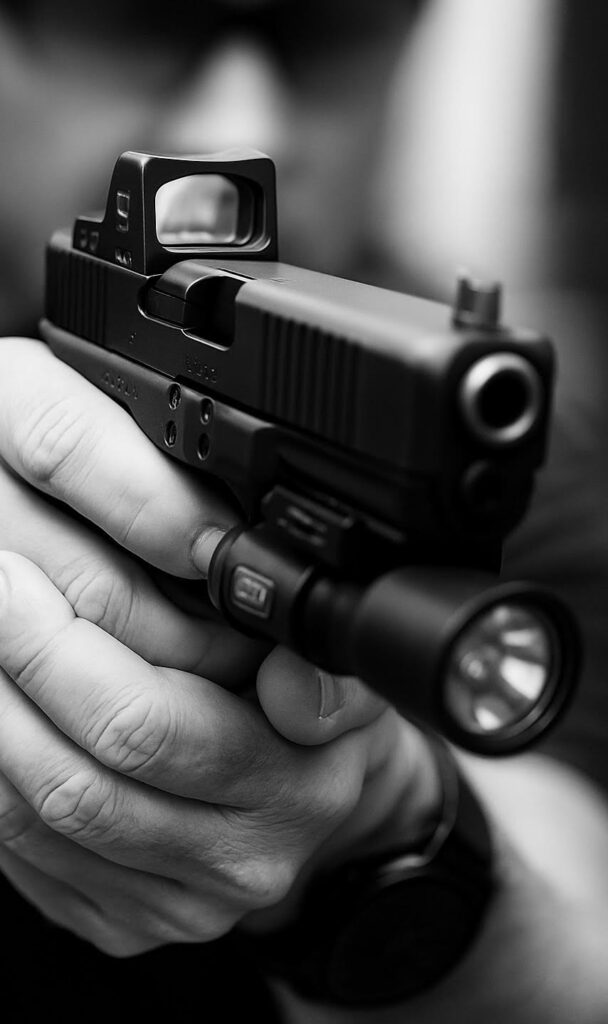
Then there’s the mistake of buying the wrong gun, which happens all the time, especially with new shooters or when someone is buying for a spouse. People walk into a store, pick the smallest, flashiest, or most “recommended” option, and assume it’s the right choice. But smaller doesn’t mean easier. In many cases, smaller firearms are harder to shoot, with more recoil and less control. Others choose based on looks or assumptions instead of actual purpose. A firearm for home defense, concealed carry, or training all require different considerations. Getting that decision wrong doesn’t just waste money, it creates a poor experience that can discourage proper training altogether.
Why Preparation Is Everything
The final mistake is the one that ties everything together, thinking none of this applies to you. Believing it won’t happen, that you’ll figure it out later, or that you’ll deal with problems if they come up is exactly how people get caught off guard. These issues don’t show up when it’s convenient. They show up when something goes wrong, when you’re under pressure, and when you don’t have time to think. In those moments, your preparation is the only thing you can rely on.
The truth is, avoiding these mistakes isn’t complicated, but it does require effort, humility, and responsibility. Do it right, and you build confidence, control, and real capability. Do it wrong, and you’re relying on luck. And with something this serious, luck isn’t a strategy.
If you want to stay protected legally and financially while defending yourself, become a member with H2K Defense and when you join you also receive USCCA Elite Level self defense coverage as part of your membership.
Learn more details here. ↗
Disclaimer:
This content is for general firearm safety and educational purposes only. It is not legal advice, professional instruction, or a substitute for certified training. Firearms are inherently dangerous and improper use may result in injury, death, or property damage. Always seek proper training and ensure compliance with all applicable laws before handling any firearm.