Most People Don’t Train, They Just Go to the Range and Waste Ammo
Most people who say they “train” with a firearm are really just going to the range, loading magazines, and firing rounds at paper targets without any structure, feedback, or measurable improvement. It feels productive at the moment, but in reality, very little real skill development is happening. Over time, this becomes expensive repetition instead of meaningful training.
What’s often missing from that equation isn’t just skill… it’s understanding the full responsibility that comes with carrying a firearm, including what happens after you pull the trigger.
The Difference Between Range Shooting and Real Training
The real difference between range shooting and actual training is intention. One is casual shooting. The other is deliberate skill-building designed to prepare you for real-world stress, decision-making, and consequences.
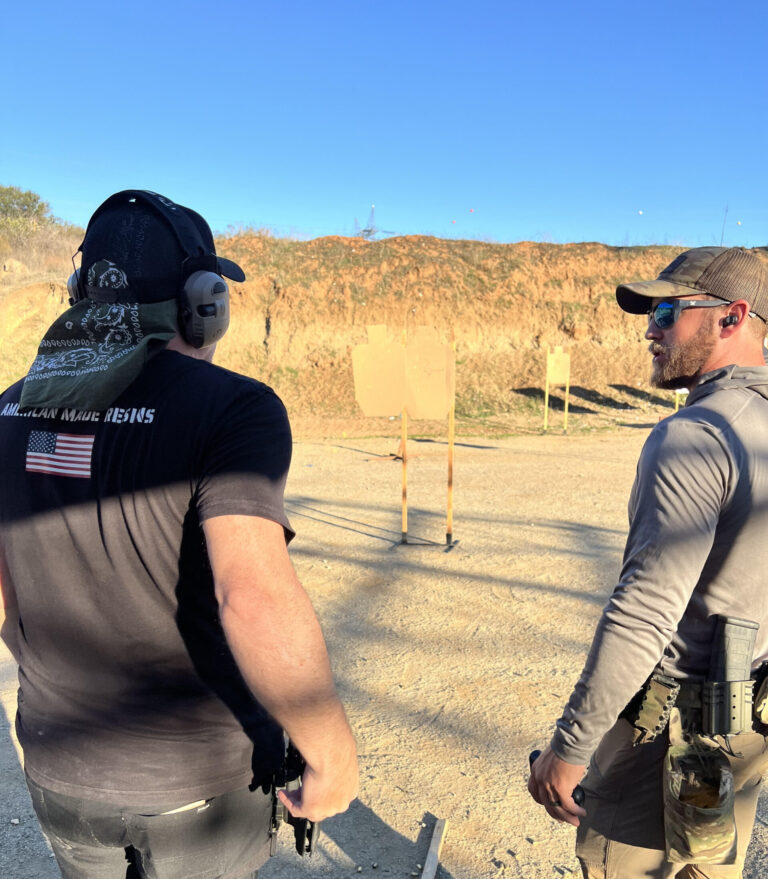
At a typical range session, people often repeat the same habits. They stand in a comfortable position, shoot at a static target, reload when they feel like it, and leave once the ammo runs out.
There is rarely a system in place to measure progress or correct errors. Without structured feedback, mistakes don’t get fixed—they become habits, and habits become limitations.
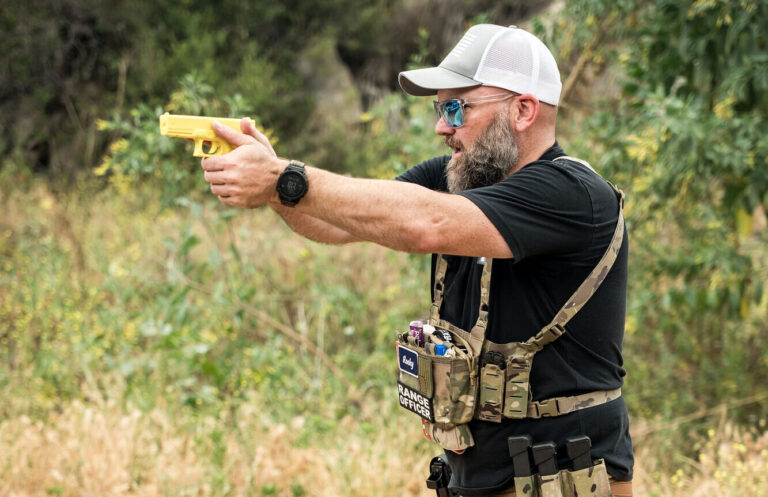
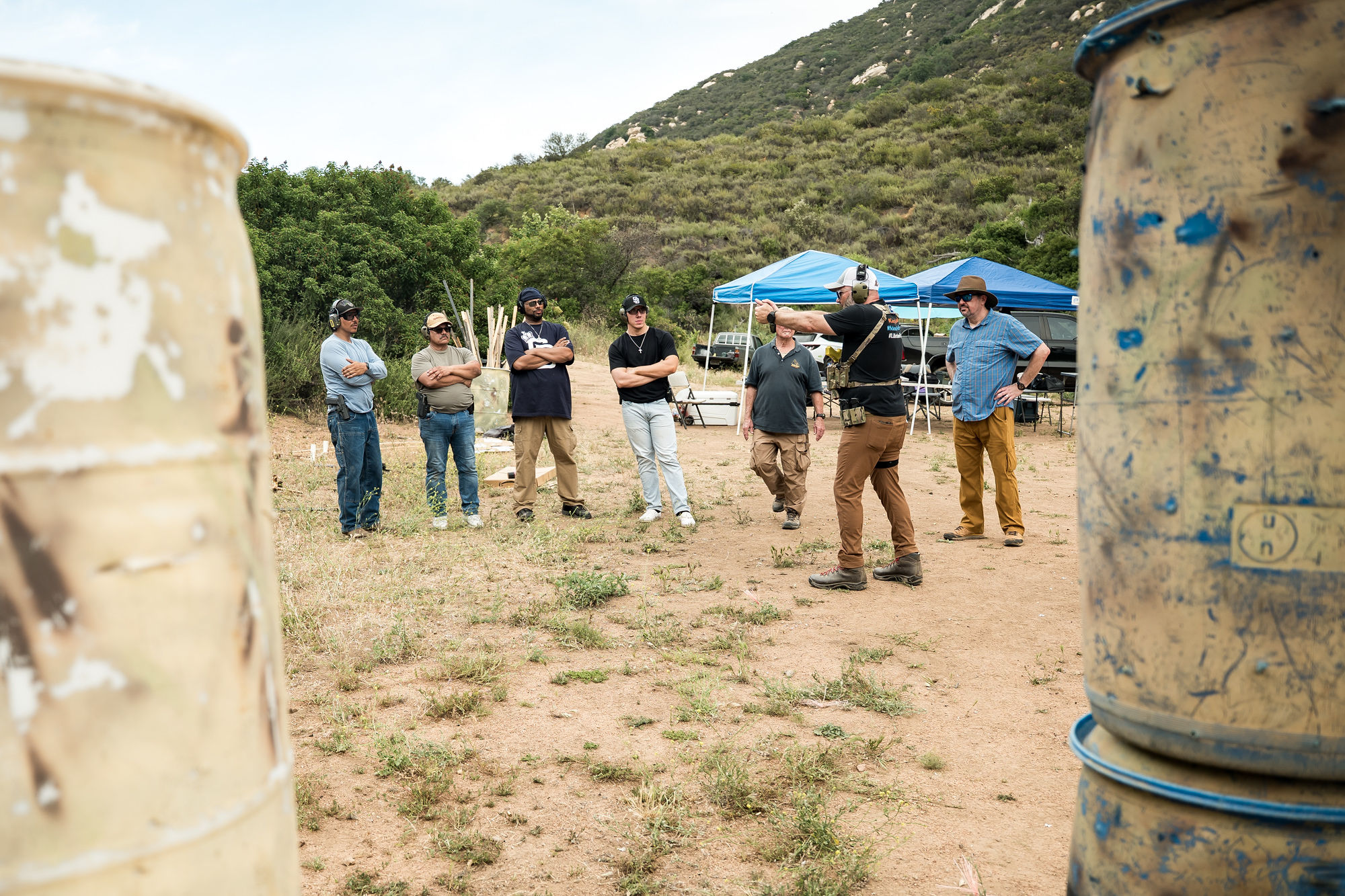
Real training is different because it removes comfort from the equation. It introduces pressure, time constraints, movement, and decision-making. Instead of just hitting a target, the focus shifts to how efficiently and safely you can respond under a scenario.
And just as importantly, real training begins to address the legal, ethical, and financial consequences of using force—something most range shooters never think about until it’s too late.
Because in the real world, it’s not just about whether you can defend yourself… it’s about what happens after you do.
Why Most Shooters Don’t Improve
One of the biggest gaps in casual range sessions is the absence of accountability. Most shooters never track draw time, never measure shot consistency under pressure, and never simulate anything resembling a real defensive situation.
Another issue is the lack of corrective instruction. Without a coach or structured program, small errors in grip, stance, trigger control, and recoil management go unnoticed. Over time, these inefficiencies compound. What feels “normal” at the range is often just reinforcing bad technique. In contrast, structured defensive training focuses on breaking down each component of performance. The draw is not just a motion, it is analyzed for efficiency. Accuracy is not just about hitting the target, it is evaluated under time pressure and movement. Even something as simple as reloads becomes a measurable skill rather than an afterthought.
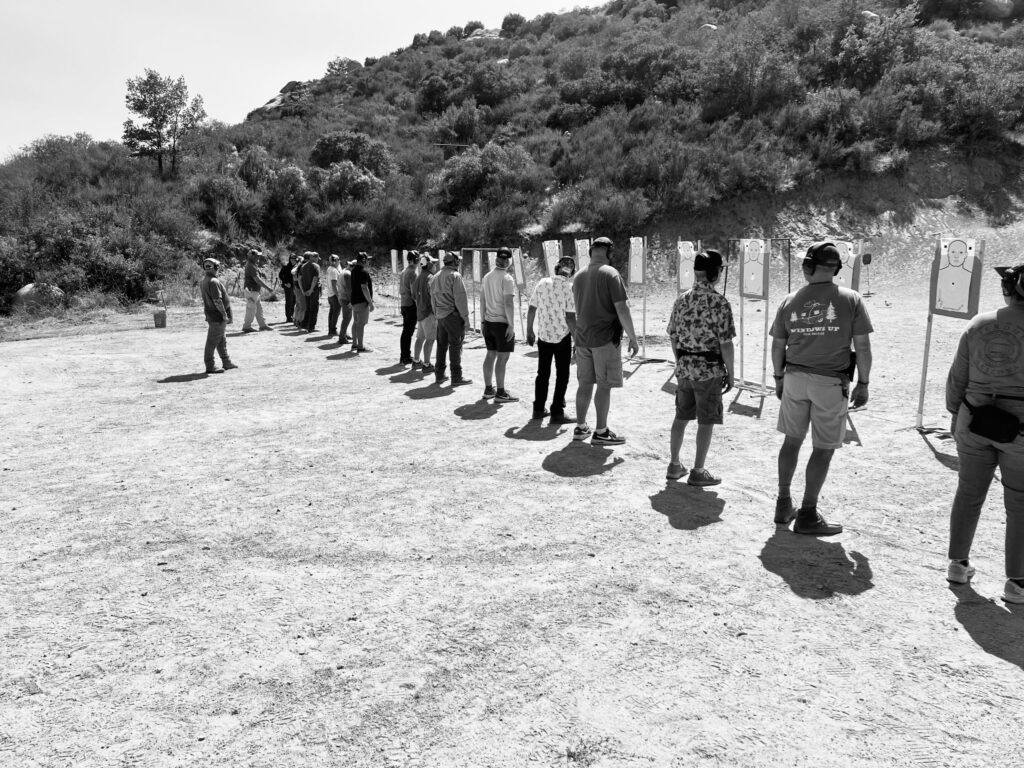
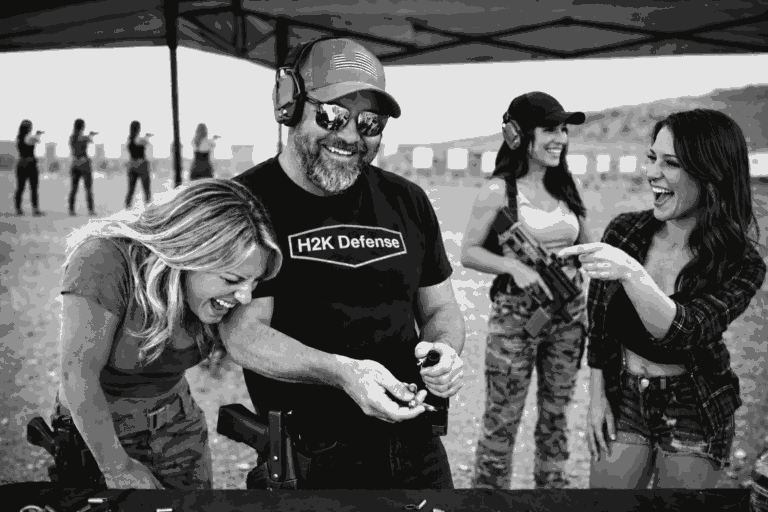
This is where professional training environments like H2K Defense become important. The goal is not just to shoot, but to build repeatable, reliable performance under stress. That includes scenario-based drills, live feedback, and progression-based learning that forces improvement rather than repetition.
But there’s another gap that’s even more dangerous: they don’t prepare for the aftermath.
Even a completely justified act of self-defense can lead to:
- Legal battles
- Criminal investigation
- Civil lawsuits
- Financial strain
This is where self-defense liability protection, like USCCA, becomes a critical piece of the equation.
Because skill with a firearm is only part of the responsibility. The other part is protecting yourself legally and financially if you’re ever forced to use it.
Without that protection, one moment can cost you everything you’ve worked for.
Quality Training vs Just Shooting More
A major misconception in firearms culture is that more ammo equals more skill. In reality, thousands of rounds can be fired with minimal improvement if the training method is flawed. On the other hand, a few hundred rounds used in structured drills can produce significantly better outcomes because every shot has a purpose.
Efficiency matters more than volume. A shooter who understands timing, control, and decision-making will outperform someone who simply shoots more often without direction. This is especially important in defensive contexts where the goal is not recreation, but effective response under pressure.
Another overlooked factor is mindset. Casual range visits rarely simulate stress. There is no urgency, no consequence, and no decision-making pressure. Real training introduces controlled stress so that the brain learns how to function under discomfort. Without this, performance in real situations can degrade significantly, even in otherwise experienced shooters. This is also why feedback loops matter so much. Improvement happens when performance is measured, reviewed, and adjusted. Without feedback, shooters tend to repeat what feels comfortable rather than what is correct. Structured training forces adaptation, which is where real skill development happens.
The same principle applies to protection.
Just like randomly shooting without a plan doesn’t build skill, carrying without protection doesn’t build true preparedness.
Real readiness is layered:
- Skill under pressure
- Decision-making under stress
- Understanding use-of-force laws
- Having legal and financial protection in place
Programs like USCCA exist because even the most responsible, well-trained gun owner can find themselves in a situation where they need immediate legal defense.
Training prepares you for the moment.
Protection prepares you for everything that comes after.
How to Train With Intention
For most people, the shift from “going to the range” to “training” starts with intention.
It means:
- Setting a goal before you shoot
- Tracking performance
- Identifying weaknesses
- Training with structure and feedback
But intentional training also means thinking beyond the trigger pull.
It means asking:
- Do I understand when I’m legally justified to use force?
- Do I have a plan if I’m involved in a defensive incident?
- Am I protected if things escalate beyond the moment?
Because confidence doesn’t just come from knowing how to shoot.
It comes from knowing you are covered-skillfully, legally, and financially.
Even small changes make a big difference. Introducing timed drills, focusing on one skill at a time, or working under supervision can completely change the value of a training session. Over time, this builds not just better shooting ability, but better judgment and confidence. Ultimately, the difference between wasting ammo and building skill comes down to structure. One approach burns resources without progress. The other builds capability that holds up under pressure. Real defensive proficiency is not about how often you shoot, it is about how intentionally you train.
The Reality Most People Avoid
Ultimately, the difference between wasting ammo and building skill comes down to structure.
One approach burns resources without progress.
The other builds capability that holds up under pressure.
But real defensive readiness goes even further.
It’s not just about:
- How well you shoot
- How fast you react
- How accurate you are
It’s about whether you’re prepared for the full weight of that responsibility.
That includes having the right training…
and the right protection behind you if you ever have to act.
Because in a real defensive situation, the fight doesn’t end when the shooting stops.
And that is the gap most people never close.
Most people will keep doing the same thing and hoping it’s enough. If you’re not most people, it’s time to train differently. Join H2K Defense and close the gap for good.
Disclaimer:
This content is for general firearm safety and educational purposes only. It is not legal advice, professional instruction, or a substitute for certified training. Firearms are inherently dangerous and improper use may result in injury, death, or property damage. Always seek proper training and ensure compliance with all applicable laws before handling any firearm.