Why Mindset Matters: Confidence Under Pressure
It doesn’t start with the firearm.
It starts long before that, quietly, in the way you think, prepare, and respond to pressure before it ever shows up.
Most people assume confidence comes from what’s in their hands. The reality is, confidence comes from what’s been built in their mind. Because when a real moment hits, everything changes in an instant. Your heart rate spikes. Your breathing shortens. Your hands don’t feel as steady as they did at the range. The situation feels faster, louder, and far less predictable than anything you’ve rehearsed.
That’s the moment where mindset either carries you or exposes you.
The Gap Between Practice and Reality
A lot of people follow a familiar path. They purchase a firearm, complete a CCW course, spend some time at the range, and walk away believing they’re prepared.
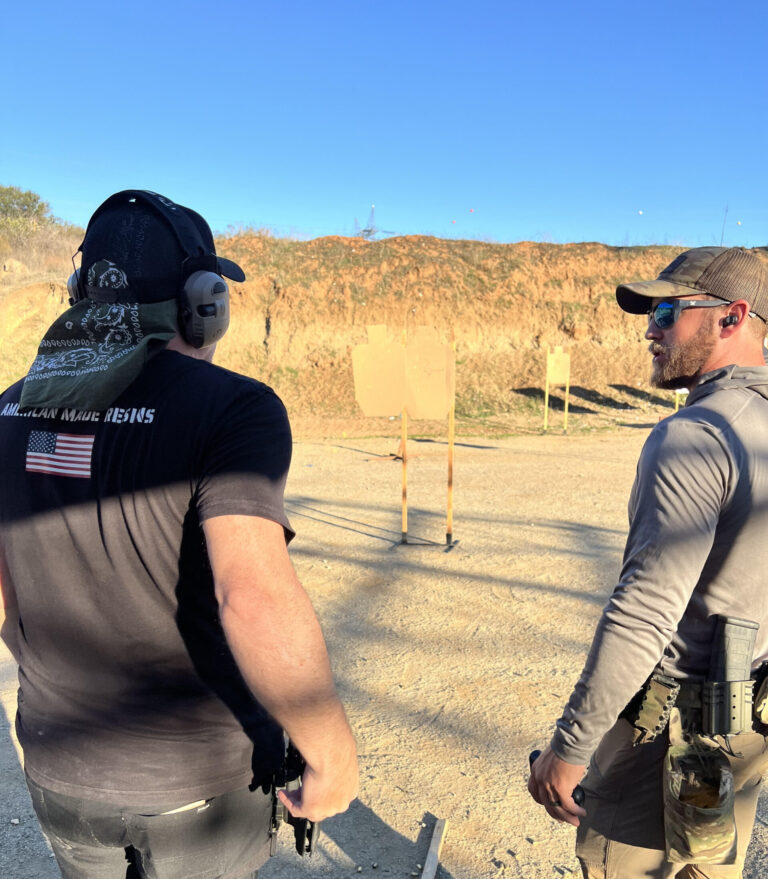
But controlled environments create controlled confidence.
Paper targets don’t move. They don’t create chaos. They don’t force you to make decisions under pressure while adrenaline is flooding your system. Real-world encounters do all of that at once.
And that’s where the gap shows up.
Because confidence that’s built in comfort has a way of disappearing the moment things stop being comfortable.
Pressure Doesn’t Ask If You’re Ready
Fear is part of the equation whether someone admits it or not.
Even highly trained individuals feel it. The difference is they’ve spent time learning how to function through it instead of being overwhelmed by it.
That’s what a defensive mindset really is.
It’s not about pretending fear doesn’t exist. It’s about staying grounded when it does. It’s about thinking clearly when your body is telling you not to. It’s about making decisions when time is limited and the stakes are high.
Because in a real situation, your ability to think matters just as much if not more than your ability to shoot.
A Real-World Reminder: Prince Riley’s Story
Prince Riley’s story is exactly why mindset matters under pressure. On October 15, 2021, what should have been a normal motorcycle sale at his West Covina, California home turned into an armed robbery in seconds. Riley was showing dirt bikes to potential buyers when one man pulled a gun and threatened to kill everyone there. Then the man started firing.
That is the kind of moment most people say they are prepared for, but very few have truly prepared their mind to face. It is one thing to stand on a range and put rounds into paper. It is another thing entirely to have someone firing a gun at you while your body is flooded with fear, adrenaline, and uncertainty. In that moment, there is no time to warm up. No time to get comfortable. No time to think about what you should have trained for. Pressure shows up, and it shows up fast.
According to the account, the gunman fired six times. Riley, a USCCA Member, managed to draw his Glock and fire one fatal shot in self-defense. One shot. Under real pressure. Under real danger. With real consequences attached to every decision. That is not luck. That is not ego. That is the difference between panic and preparation.
Pressure Reveals What Training Built
This is where Riley’s story connects directly to mindset. He was not looking for trouble. He was not trying to prove anything. He was at home, handling what should have been a simple transaction. But real-world danger does not wait for perfect conditions. It does not care whether your family is nearby, whether you expected company, or whether your mind was ready for violence to appear inside an ordinary day.
That is why confidence under pressure has to be built before the moment ever happens. When the threat appeared, Riley had to process danger, move, draw, decide, and act while someone was actively shooting. That is a level of stress most people never experience in training, and it exposes the gap between casual range comfort and real defensive readiness.
A paper target will never force you to make a life-changing decision. A controlled shooting lane will never threaten your family or your future. A comfortable practice session will never create the same fear as a violent criminal firing at you. That is why mindset cannot be treated like an afterthought. Skill matters, but if the mind locks up, skill may never get the chance to show up.
The Aftermath Matters Too
The pressure did not end when the threat stopped. The gunman’s accomplice fled, then later returned to retrieve the gun. Riley, his brother, and a friend subdued the accomplice until police arrived. Even after that, Riley was detained and questioned by police for 12 hours.
That part matters.
A lot of people think a self-defense situation ends when the immediate danger is over. It does not. That is when another kind of pressure begins. Legal questions. Statements. Investigations. Evidence. The reality of having your actions reviewed by people who were not there when your life was on the line.
Riley eventually connected with the USCCA, who put him in touch with attorney Andy Beltran through the USCCA Attorney Network. After a thorough investigation and evidence presentation, the case was closed as lawful self-defense. That outcome matters, but so does the road it took to get there.
This is the part every responsibly armed citizen needs to understand: being prepared is not just about surviving the moment. It is about being ready for what comes after it. Riley’s story shows both sides of that reality. He needed the mindset and ability to respond when violence appeared, and he also needed experienced support when the legal aftermath began.
That is why confidence under pressure is not just about carrying a firearm. It is about preparation, discipline, decision-making, and having the right support system in place before life forces you to need it. Because pressure does not ask if you are ready.
It reveals whether you were.
Self-Defense Is a Thinking Game First
There’s a side of self-defense that most people never train for.
The mental side.
The part where you’re processing incomplete information, managing stress, staying aware of your surroundings, and making decisions that carry real consequences—not just in the moment, but afterward.
This is where many people fall short. They focus on mechanics but ignore decision-making. They practice shooting but never train their mind to operate under pressure.
And that’s where risk starts to build.
Confidence Isn’t Loud, It’s Built
Real confidence doesn’t look like bravado.
It’s quiet. Measured. Disciplined.
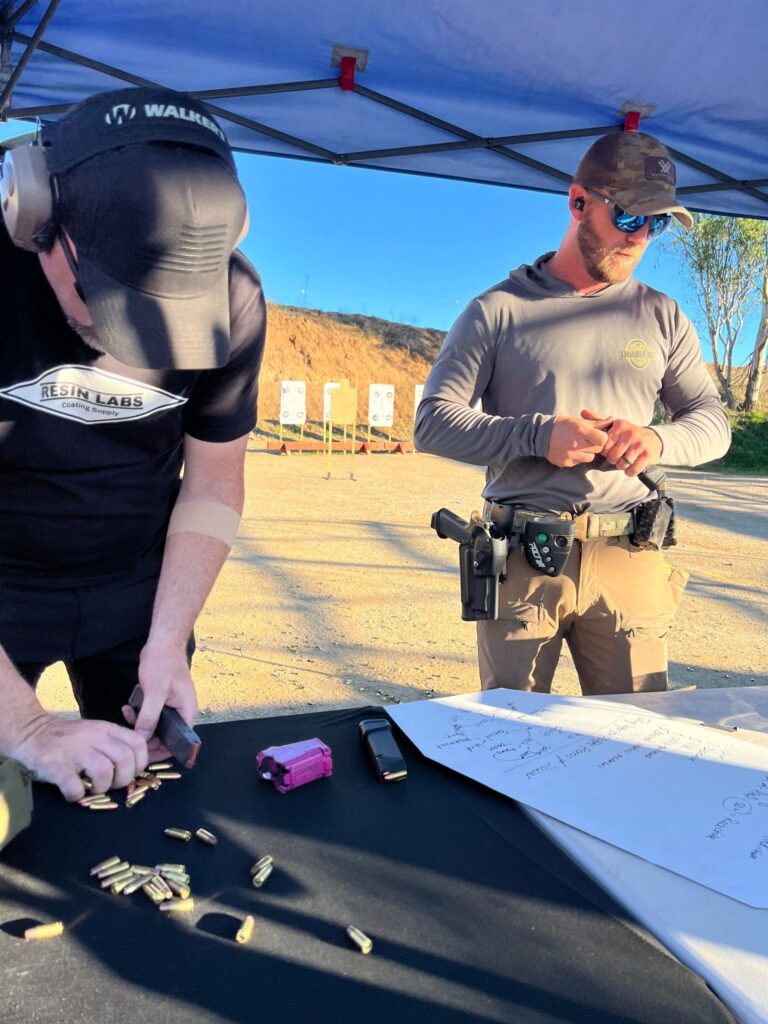
It comes from knowing what you’ve trained for, and more importantly, what you haven’t. It comes from pushing beyond casual routines and stepping into training that actually challenges how you think and respond.
It’s built by exposing yourself to stress in a controlled way so that when it shows up for real, it’s not the first time you’ve felt it.
That’s what separates preparedness from overconfidence.
Because confidence without preparation isn’t confidence at all—it’s liability.
The Responsibility Most People Overlook
Carrying a firearm isn’t just about the moment something happens.
It’s about everything that comes with it.
The decisions leading up to it. The actions taken during it. And the consequences that follow after it.
A defensive mindset understands that avoiding conflict is always the priority. It understands the weight of responsibility that comes with being armed. And it respects the reality that every decision carries legal, emotional, and financial impact.
That’s why preparation has to go deeper than the range.
Why Structured Training Changes Everything
This is exactly why training at H2K Defense is built differently.
It’s not about checking a box or going through the motions. It’s about building real-world readiness…mentally and physically.
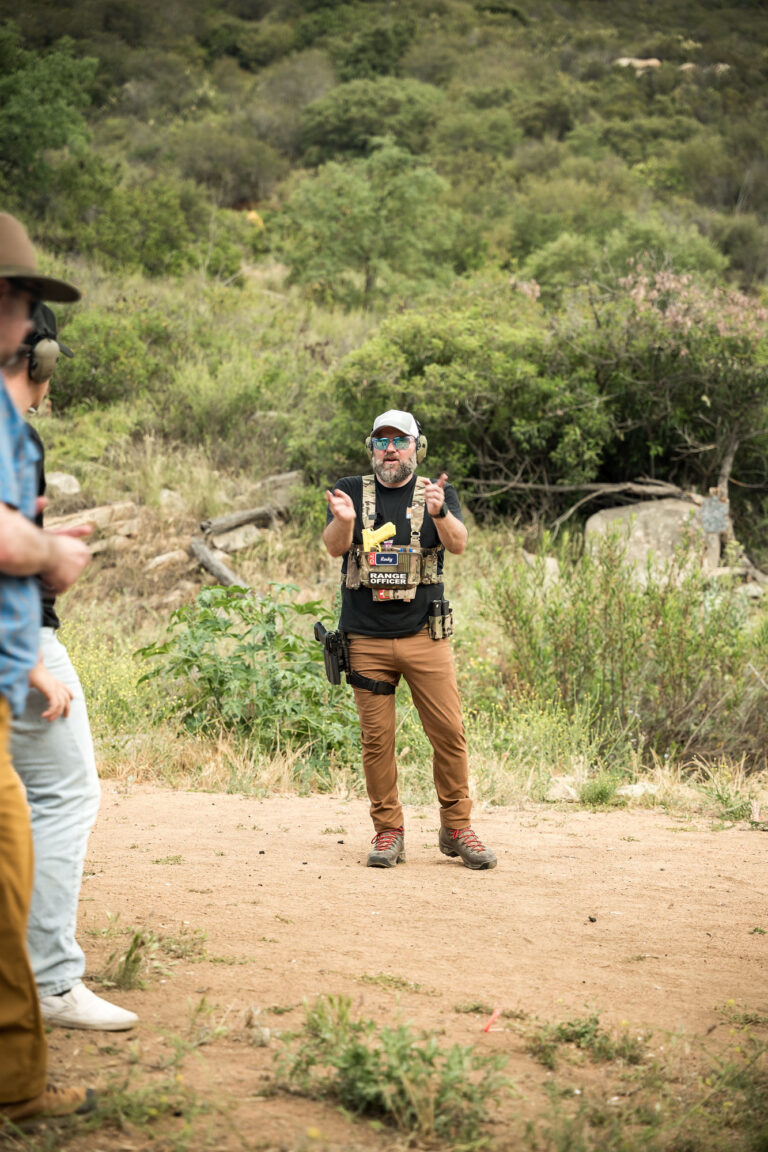
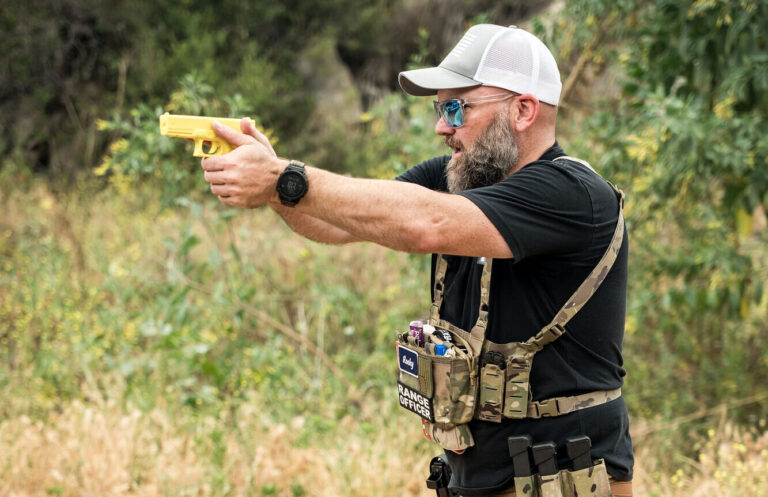
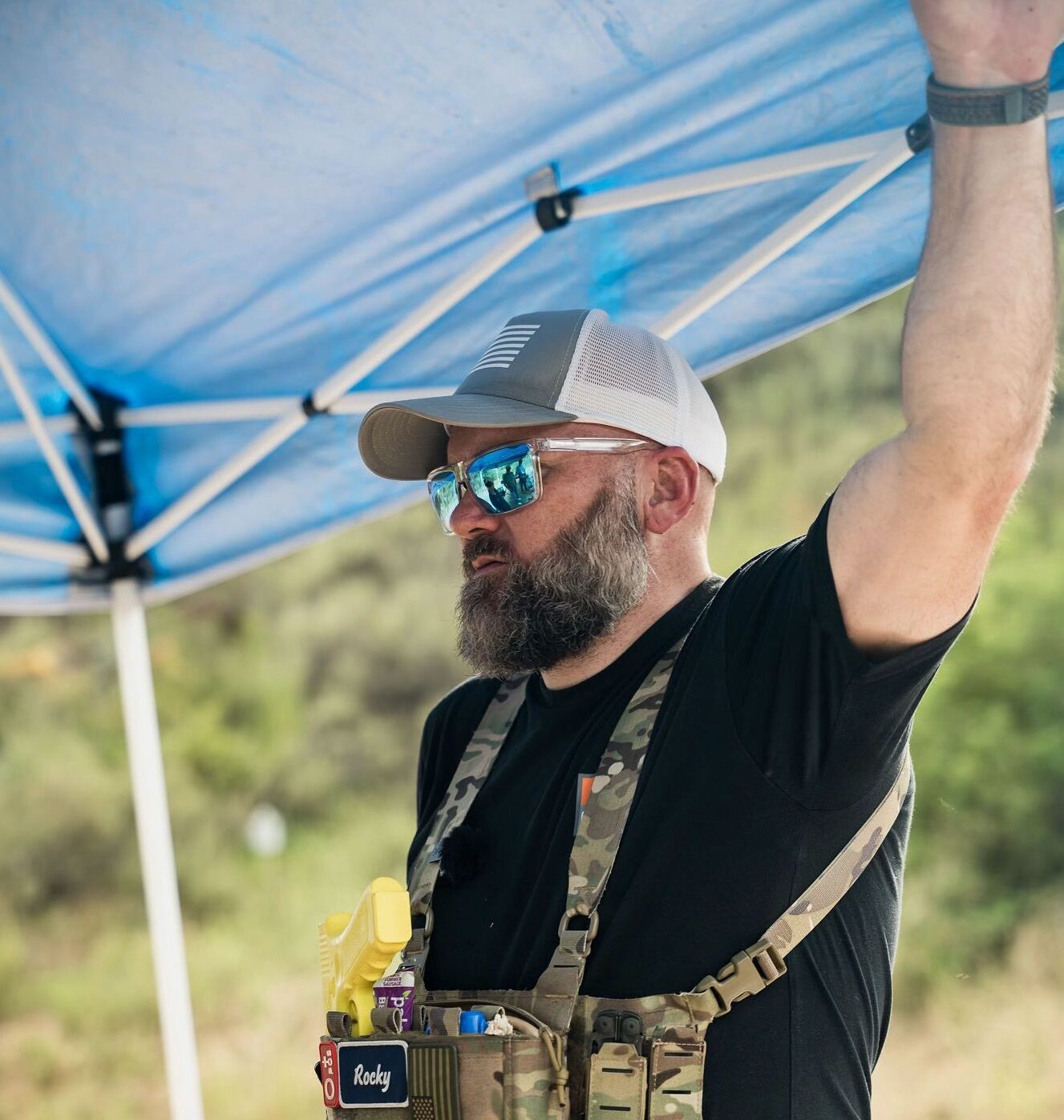
Under the guidance of founder and head trainer Rocky Obermeyer, training is designed to challenge how you think, how you respond, and how you perform when things aren’t perfect.
Because that’s the only environment that actually prepares you.
The Part No One Talks About: The Aftermath
Here’s what most people don’t think about…
Even if you do everything right in the moment, the situation doesn’t end when the threat is over.
That’s when a different kind of pressure begins.
Legal questions. Financial stress. Emotional weight. The reality of having to explain and justify your actions.
This is where preparation goes beyond training—and into protection.
Because being prepared means understanding what happens next, not just what happens in the moment.
This is exactly why having the right support system in place matters.
Every membership at H2K Defense includes access to a complimentary **USCCA Elite-level benefits giving you coverage, education, and support designed specifically for responsibly armed citizens.
That means you’re not just training for the moment.
You’re protected for what comes after.
Because the reality is simple:
The aftermath can be just as life-changing as the event itself.
Final Thoughts
Confidence under pressure isn’t something you hope shows up when you need it.
It’s something you build intentionally, consistently, and realistically.
It’s built through mindset. Through training. Through discipline. Through understanding both the moment and everything that follows it.
Because real preparedness isn’t just about surviving the encounter.
It’s about being ready for the full weight of it.
And that kind of confidence?
It’s never accidental.
Be Safe, Be Prepared and Be Protected ——> join H2K Defense here and access your free USCCA ELite level benefits
Disclaimer:
This content is for general firearm safety and educational purposes only. It is not legal advice, professional instruction, or a substitute for certified training. Firearms are inherently dangerous and improper use may result in injury, death, or property damage. Always seek proper training and ensure compliance with all applicable laws before handling any firearm.